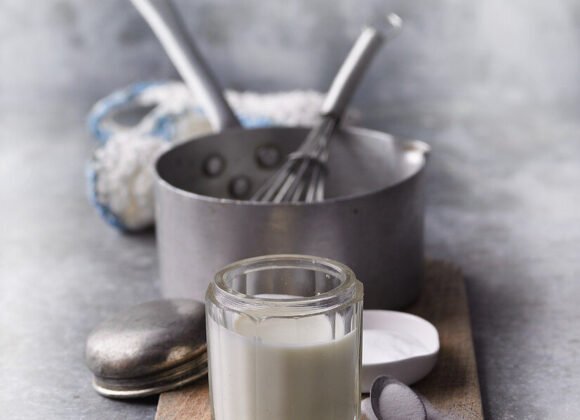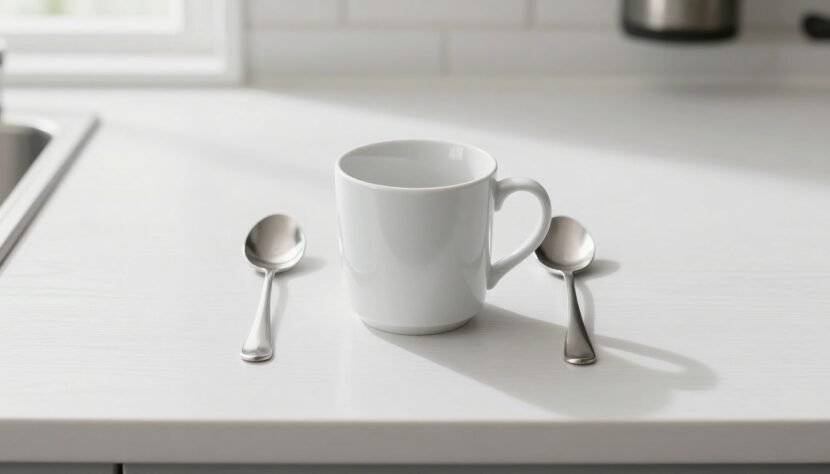
Picture this: you’re in the middle of baking a cake on a camping trip, or your measuring jug just shattered in the sink. No worries. You need exactly 120 ml of milk or oil, but all you have are basic spoons and a plain mug. In cooking and baking, getting the volumes right is crucial. It keeps your recipes turning out the same each time.
The Foundation: Standardised Metric and Imperial Conversions
You can’t guess your way through kitchen measures. Start with the basics of how volumes stack up. This knowledge helps you swap tools without messing up your dish.
Understanding the Millilitre (ml)
A millilitre is a tiny unit in the metric system. It measures liquid volume, like in recipes. For water, 120 ml weighs about 120 grams, but stick to volume here. Think of it as a quarter of a small cup. This size shows up often in sauces or batters. Knowing it lets you picture what you’re aiming for.
The US/Metric Teaspoon and Tablespoon Equivalents
Standard spoons make life easy. One US tablespoon holds around 15 ml. A teaspoon takes about 5 ml. In the UK, the tablespoon matches 15 ml exactly in metric terms. Slight differences pop up elsewhere, like in Australia with bigger spoons. But for most homes, these numbers work fine. Always grab the right size from your drawer.
Calculating the Target: 120 ml Breakdown
Math makes this straightforward. Divide 120 by 15 for tablespoons. You get eight exact ones. For teaspoons, 120 divided by 5 equals 24. That’s a lot to count, but it works if big spoons are missing. These steps build your confidence. No jug needed when numbers line up like this.
Measuring 120 ml Using Tablespoons (The Most Accurate Improvised Method)
Spoons are your best friends in a pinch. They’re precise for small amounts. Focus on level fills, not heaps. That keeps everything even.
The Eight Tablespoon Rule
Grab eight tablespoons from your cutlery set. Fill each level with your liquid. Use the flat edge of a knife to scrape off the top. This avoids extra drips. Pour each into your mixing bowl or pot. Do it slowly to prevent spills. Eight level ones add up to 120 ml just right.
- Step 1: Pick a clean tablespoon.
- Step 2: Scoop the liquid without overflowing.
- Step 3: Level it off neatly.
- Step 4: Tip it into your container.
- Step 5: Repeat seven more times.
This method shines for everyday use. It’s quick and reliable.
Equivalence Check: Tablespoons to Teaspoons
Not every kitchen has tablespoons handy. Switch to teaspoons if needed. You’ll need 24 level ones for 120 ml. That’s three tablespoons worth, since each holds three teaspoons. Count them out carefully. It takes longer, and small slips add up. But it’s better than eyeballing. Test with a known amount first to build trust in your count.
Real-World Application: Syrups and Extracts
Thick stuff like honey pours slowly from spoons. Tablespoons handle it well without waste. For extracts or oils, the same goes. Thin liquids like water might curve at the edges, called the meniscus. Read from eye level to stay accurate. In baking, this keeps your cookies soft, not dry. Practice on water to get the feel.
Estimating Volume Using a Standard Coffee Mug
Mugs aren’t perfect, but they’re everywhere. Use one for rough guesses in soups or stews. Precision baking? Stick to spoons. A standard mug holds 250 to 350 ml, depending on size.
Establishing Your Mug’s Capacity (Calibration)
First, find out what your mug holds. Fill it brimful with water. Then pour into a bowl you know measures something close, like a cup. Or use your spoons: eight tablespoons make 120 ml, so fill to that and mark the level. Repeat for full capacity. This calibration takes minutes. Now you know your mug’s true size.
Here’s how:
- Fill the mug to the top.
- Count out spoons to match parts of it.
- Note the lines with a marker or tape.
- Test with a different liquid to check.
Your mug becomes a custom tool. No more blind pours.
The Fractional Mug Calculation for 120 ml
Take a typical 12-ounce mug, about 355 ml full. 120 ml is roughly one-third of that. 120 divided by 355 comes to about 0.34. Fill to just over a third. Eye the height from the bottom. For a 300 ml mug, it’s nearly half. Pour slowly and stop at the mark. This works for casual meals.
Visual Cues for 120 ml Fill Line
Look for clues on your mug. The spot where the handle meets the side often hits half full. For 120 ml in a 300 ml mug, go a bit under that. If it’s clear glass, watch the liquid climb. Compare to a spoon’s worth added bit by bit. These hints make estimating less scary. Over time, you’ll spot it fast.
Combining Improvised Tools for Verification
One method is good, but two build trust. Mix spoons and mug for double-checks. This cuts errors in half.
Cross-Verification Technique
Start with six tablespoons for 90 ml. Pour into the mug. Now add two more for the last 30 ml. Eye if it matches your one-third line. If close, you’re set. Adjust it if off by a splash. This combo verifies without stress. Great for new cooks.
- Measure spoons first.
- Transfer to mug.
- Check against fraction.
- Tweak as needed.
It feels like having a jug after all.
Best Practices for Liquid Transfer
Spoons tip easily, so go steady. Hold over the mug’s edge. Wipe drips with a cloth. For sticky liquids, rinse spoons quickly. Pour from a low height to avoid bounces. These tricks keep your count true. Your recipe stays on track.
Conclusion: Mastering Improvised Precision
You now know 120 ml equals eight level tablespoons or 24 teaspoons. A mug helps for quick estimates, calibrated to your own. While real tools beat guesses, these hacks make you kitchen-ready anywhere. Embrace them for self-sufficient cooking. Next time your jug vanishes, smile and grab a spoon. You’ll nail that recipe every time. What’s your go-to improv trick? Try these and share in the comments.