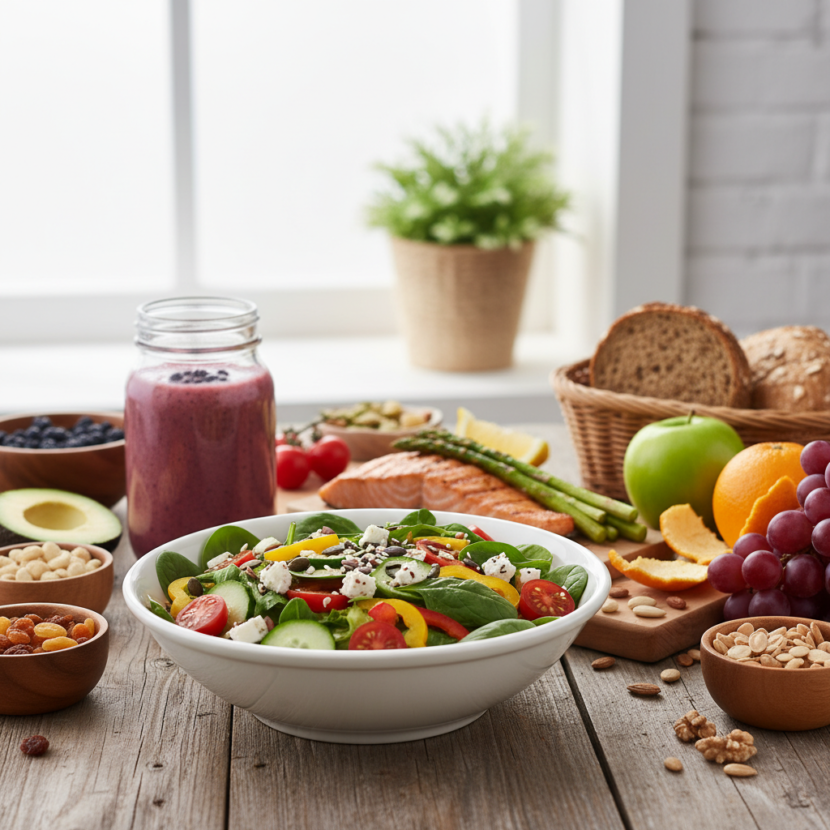
Did you know that a single large egg typically contains about 6 grams of protein? While eggs are a fantastic and accessible source of this essential nutrient, many other foods can offer even more protein per serving. If you’re looking to boost your protein intake, exploring options beyond the breakfast staple is a great idea. Understanding what foods provide a higher protein punch can help you build balanced meals and achieve your dietary goals.
Why Protein Matters
Protein is a vital building block for our bodies. It’s crucial for building and repairing tissues, making enzymes and hormones, and supporting immune function. The recommended daily intake varies, but ensuring you get enough protein is key to overall health and well-being. For a deeper dive into how much protein is in an egg, you can check out how much protein in an egg.
Top Protein Powerhouses
Several foods consistently outperform eggs in terms of protein content. Incorporating these into your diet can significantly increase your daily protein consumption.
Lean Meats and Poultry
Chicken breast and turkey breast are champions of lean protein. A 3-ounce serving of cooked chicken breast can provide well over 20 grams of protein, significantly more than an egg. Similarly, lean beef cuts and pork tenderloin offer substantial protein, making them excellent choices for main meals.
Fish and Seafood
Fish like salmon, tuna, and cod are not only rich in protein but also offer beneficial omega-3 fatty acids. A 3-ounce serving of salmon can deliver around 20 grams of protein. Shrimp and other shellfish are also good protein sources, though often consumed in slightly larger quantities to match the protein of larger meat portions.
Dairy Products
Greek yogurt stands out in the dairy aisle, often containing twice the protein of regular yogurt and substantially more than an egg. A typical 6-ounce serving can pack around 15-20 grams of protein. Cottage cheese is another excellent option, providing a high protein content per cup.
Legumes and Plant-Based Options
For those following vegetarian or vegan diets, or simply looking to diversify their protein sources, legumes are a fantastic choice. Lentils, beans (like black beans, kidney beans, and chickpeas), and peas are protein-rich and also provide fiber. A cup of cooked lentils can offer around 18 grams of protein. Tofu and tempeh, made from soybeans, are also protein powerhouses, with a half-cup of firm tofu providing about 10 grams of protein.
Nuts and Seeds
While often consumed in smaller quantities due to their calorie density, nuts and seeds are good sources of protein. Almonds, peanuts, pumpkin seeds, and chia seeds can contribute to your daily protein intake, with a 1-ounce serving of almonds offering about 6 grams of protein, similar to an egg, but many other nuts and seeds offer more.
Frequently Asked Questions
Q1: What is the best source of protein if I want more than an egg?
A1: Lean meats like chicken breast, fish like salmon, and dairy products like Greek yogurt are excellent choices that provide significantly more protein per serving than an egg.
Q2: Can plant-based foods offer more protein than an egg?
A2: Absolutely. Lentils, beans, tofu, and tempeh are all plant-based foods that provide a higher protein content per serving than a single egg.
Q3: How much protein is in a serving of Greek yogurt compared to an egg?
A3: A typical serving of Greek yogurt can contain 15-20 grams of protein, which is substantially more than the 6 grams found in a large egg.
Q4: Are nuts a good alternative for getting more protein than an egg?
A4: Nuts can contribute to protein intake, but you often need to eat a larger portion to exceed the protein in an egg. Some nuts and seeds, like pumpkin seeds, can offer more protein per ounce than an egg.